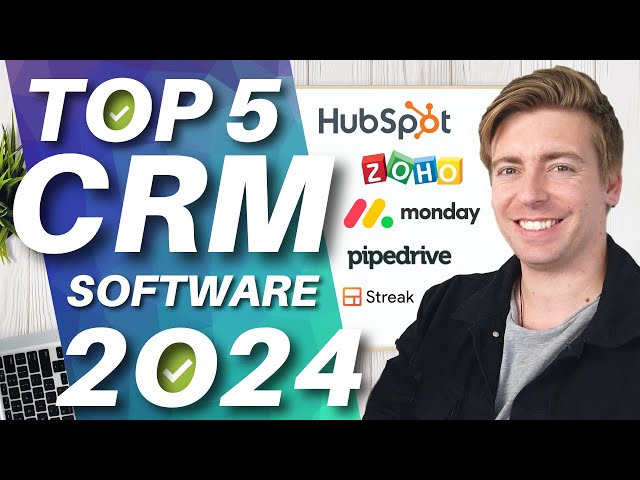
A customer relationship management (CRM) system is a software application that helps businesses manage their relationships with customers. CRM systems can track customer data, such as contact information, purchase history, and support interactions. This data can be used to improve customer service, marketing, and sales efforts.
The cheapest CRM systems typically offer basic features, such as contact management, lead tracking, and email marketing. More expensive CRM systems may offer additional features, such as marketing automation, sales forecasting, and customer support tools.
CRM systems are important for businesses of all sizes. They can help businesses improve customer satisfaction, increase sales, and reduce costs. CRM systems have been around for decades, but they have become increasingly popular in recent years as businesses have realized the importance of managing customer relationships.
In this article, we will discuss the benefits of CRM systems, the different types of CRM systems available, and the factors to consider when choosing a CRM system. We will also provide tips for implementing and using a CRM system.
cheapest crm system
When choosing a CRM system, it is important to consider the following five key aspects:
- Cost
- Features
- Ease of use
- Scalability
- Support
Cost is an important factor to consider when choosing a CRM system. CRM systems can range in price from free to thousands of dollars per month. It is important to choose a CRM system that fits your budget.
Features are another important factor to consider. CRM systems offer a variety of features, such as contact management, lead tracking, and email marketing. It is important to choose a CRM system that offers the features that you need.
Ease of use is also an important factor to consider. CRM systems can vary in terms of ease of use. It is important to choose a CRM system that is easy to use for you and your team.
Scalability is another important factor to consider. CRM systems should be able to scale with your business. It is important to choose a CRM system that can meet your needs as your business grows.
Support is also an important factor to consider. CRM systems should come with support from the vendor. It is important to choose a CRM system that offers the level of support that you need.
Cost
Cost is a primary consideration when selecting a CRM system, particularly for businesses seeking the most affordable option (“cheapest CRM system”). Understanding the cost implications and value proposition of different CRM systems is crucial for making an informed decision.
-
Licensing Fees
CRM systems typically charge licensing fees based on the number of users or the level of functionality required. These fees can vary significantly, so it’s important to compare costs and choose a system that aligns with your budget.
-
Implementation Costs
Implementing a CRM system requires upfront costs for setup, data migration, and customization. These costs can vary depending on the complexity of your system and the level of support you need from the vendor.
-
Ongoing Maintenance Costs
CRM systems require ongoing maintenance costs for software updates, security patches, and technical support. These costs can add up over time, so it’s important to factor them into your budget.
-
Return on Investment
While cost is a key consideration, it’s also important to evaluate the potential return on investment (ROI) of a CRM system. A well-chosen CRM system can streamline processes, improve customer satisfaction, and increase sales, ultimately leading to a positive ROI.
By carefully considering these cost factors and aligning them with your business objectives, you can make an informed decision and choose the “cheapest CRM system” that meets your needs and provides the best value for your investment.
Features
When evaluating CRM systems, it’s essential to consider the features offered in relation to their cost-effectiveness. “Cheapest CRM systems” may offer a limited range of features compared to more expensive options, but understanding the specific functionalities you require can help you make an informed decision.
-
Core Features
Even the most affordable CRM systems typically provide core features such as contact management, lead tracking, and basic reporting. These features are essential for managing customer data and tracking sales activities.
-
Automation
Some CRM systems offer automation features that can streamline tasks and improve efficiency. For example, automated email campaigns, lead scoring, and task assignment can save time and effort, enhancing productivity.
-
Customization
The ability to customize a CRM system to fit your specific business needs is valuable. Look for systems that allow you to create custom fields, workflows, and reports to tailor the system to your unique processes.
-
Integrations
CRM systems that integrate with other business tools, such as email marketing platforms, accounting software, and project management tools, can provide a comprehensive solution for managing customer relationships.
By carefully evaluating the features offered by “cheapest CRM systems” and matching them to your business requirements, you can find a cost-effective solution that meets your needs without compromising on functionality. Remember, the most important aspect is to choose a system that aligns with your specific business processes and objectives.
Ease of use
When evaluating “cheapest CRM systems,” ease of use is a crucial consideration. A user-friendly interface and intuitive navigation are essential for maximizing system adoption and efficiency, especially for businesses with limited technical resources. A complex or cumbersome CRM system can hinder productivity and discourage usage, ultimately reducing its value.
For example, a CRM system with a drag-and-drop interface, customizable dashboards, and automated workflows can simplify data entry, task management, and reporting. This ease of use empowers teams to quickly learn and adapt to the system, minimizing training time and maximizing ROI. Moreover, a user-friendly CRM system promotes data accuracy and consistency, ensuring that valuable customer information is captured and utilized effectively.
In conclusion, when selecting a “cheapest CRM system,” ease of use should be a top priority. A user-friendly system not only improves user satisfaction but also enhances productivity, data quality, and overall business outcomes. By prioritizing ease of use, businesses can ensure that their CRM system becomes a valuable asset in driving customer engagement and achieving business goals.
Scalability
When considering the viability of a “cheapest CRM system,” scalability is a crucial aspect to examine. Scalability refers to a system’s ability to adapt and grow alongside a business’s evolving needs. As a business expands, its CRM system should be able to accommodate increasing data volumes, users, and functionality without compromising performance or reliability.
-
Data Management
A scalable CRM system can efficiently handle growing amounts of customer data, ensuring that information remains organized, accessible, and secure. This is particularly important for businesses that anticipate significant customer growth or those that deal with complex customer interactions.
-
User Capacity
As a business adds employees or expands into new markets, it becomes essential for the CRM system to support a growing number of users. A scalable system can seamlessly accommodate additional users without experiencing performance degradation or data bottlenecks.
-
Functional Expansion
Businesses often require additional functionality from their CRM system as they mature. A scalable system allows for the integration of new features and modules, such as marketing automation, customer self-service portals, or analytics tools, without disrupting existing operations.
Investing in a scalable CRM system provides several benefits. It ensures that the system can keep pace with business growth, evitando the need for costly and disruptive migrations in the future. It also allows businesses to adapt to changing market demands and customer expectations, remaining competitive in the long run. Therefore, when evaluating “cheapest CRM systems,” scalability should be a key consideration to ensure a sustainable and cost-effective solution.
Support
In the context of “cheapest CRM systems,” support plays a crucial role in ensuring the long-term success and satisfaction of users. Reliable and comprehensive support can mitigate challenges, empower users, and contribute to the overall effectiveness of the CRM system.
Firstly, robust support helps businesses navigate implementation and adoption challenges. A dedicated support team can provide guidance, training, and troubleshooting assistance, ensuring a smooth onboarding process and minimizing disruptions to daily operations.
Secondly, ongoing support is essential for addressing technical issues and resolving system errors promptly. A responsive support team can quickly diagnose and resolve problems, preventing downtime and data loss, and maintaining the integrity of the CRM system.
Moreover, proactive support can help businesses optimize their use of the CRM system. Support teams can provide best practices, feature updates, and customization advice, enabling businesses to maximize the value of their investment and achieve their business objectives.
In conclusion, when evaluating “cheapest CRM systems,” businesses should prioritize systems that offer comprehensive and reliable support. A strong support infrastructure empowers users, minimizes disruptions, and ensures the long-term effectiveness of the CRM system, ultimately contributing to business success.
Frequently Asked Questions about “cheapest CRM systems”
This section addresses common questions and misconceptions surrounding “cheapest CRM systems” to provide clarity and guidance for businesses seeking cost-effective CRM solutions.
Question 1: Are “cheapest CRM systems” reliable and effective?
Yes, there are several reliable and effective “cheapest CRM systems” available. While they may not offer the full range of features found in more expensive systems, they provide essential CRM functionality, such as contact management, lead tracking, and sales pipeline management, at an affordable price.
Question 2: What are the limitations of “cheapest CRM systems” compared to more expensive ones?
“Cheapest CRM systems” may have limitations in terms of features, customization options, and integrations with other business applications. They may also offer limited support and training resources compared to more expensive systems.
Question 3: How do I choose the right “cheapest CRM system” for my business?
To choose the right “cheapest CRM system,” consider your business’s specific needs, the number of users, the features you require, and your budget. Evaluate different systems, read reviews, and request demos to find the one that best fits your requirements.
Question 4: Can “cheapest CRM systems” integrate with other business applications?
Some “cheapest CRM systems” offer limited integration capabilities, while others may integrate with popular business applications, such as email marketing platforms and accounting software. Check the specific integrations offered by each system to ensure it meets your business needs.
Question 5: What is the best “cheapest CRM system” for small businesses?
The best “cheapest CRM system” for small businesses depends on their specific requirements and budget. Some popular and affordable options include HubSpot CRM, Zoho CRM, and Salesforce Essentials.
Question 6: How do I implement a “cheapest CRM system” successfully?
Successful implementation of a “cheapest CRM system” involves planning, data migration, user training, and ongoing maintenance. Define clear goals, involve key stakeholders, and seek professional assistance if needed to ensure a smooth and effective implementation.
Summary:
“Cheapest CRM systems” offer cost-effective solutions for businesses seeking essential CRM functionality. While they may have limitations compared to more expensive systems, they can provide valuable benefits and improve customer relationship management. Careful evaluation and implementation are crucial to ensure a successful and cost-effective CRM solution.
Transition to the next article section:
In the next section, we will explore advanced features and functionalities available in CRM systems and how they can enhance customer engagement and business outcomes.
Tips for Choosing and Using the “Cheapest CRM System”
Selecting and implementing a “cheapest CRM system” requires careful planning and execution. Here are some tips to help you make the most of your investment:
Tip 1: Define Your Needs
Start by identifying the specific business challenges you aim to address with a CRM system. Determine the core features and functionality you require, considering your industry, business size, and customer base.
Tip 2: Research and Compare
Explore various “cheapest CRM systems” available in the market. Read reviews, compare features, and request demos to evaluate which system best meets your needs and budget.
Tip 3: Prioritize Ease of Use
Choose a CRM system with a user-friendly interface and intuitive navigation. This will ensure that your team can adopt and use the system efficiently, maximizing its benefits.
Tip 4: Consider Scalability
Select a CRM system that can grow with your business. Consider your future plans and ensure the system can accommodate increasing data volumes, users, and functionality as your business expands.
Tip 5: Seek Reliable Support
Look for a CRM system provider that offers comprehensive support, including onboarding assistance, technical troubleshooting, and ongoing guidance. This will ensure you can resolve issues promptly and maximize system uptime.
Tip 6: Plan for Implementation
Develop a clear implementation plan that includes data migration, user training, and change management strategies. This will help you minimize disruptions and ensure a smooth transition to the new CRM system.
Tip 7: Monitor and Evaluate
Regularly track key metrics to assess the effectiveness of your CRM system. Monitor usage, customer satisfaction, and business outcomes to identify areas for improvement and ensure continuous optimization.
Summary:
By following these tips, you can make informed decisions and effectively implement a “cheapest CRM system” that meets your business needs and helps you achieve your customer relationship management goals.
Transition to the article’s conclusion:
In conclusion, selecting and using a “cheapest CRM system” requires a strategic approach. By carefully considering your requirements, researching available options, and implementing best practices, you can harness the power of CRM technology to improve customer engagement, streamline processes, and drive business growth.
Conclusion
In today’s competitive business landscape, implementing a customer relationship management (CRM) system is no longer a luxury but a necessity. However, cost can be a significant barrier for organizations seeking to adopt this technology. By exploring the concept of “cheapest CRM system,” this article has provided valuable insights into cost considerations, key features, and best practices for selecting and using an affordable CRM solution.
Businesses can achieve significant benefits by carefully evaluating their needs, researching available options, and prioritizing ease of use, scalability, and reliable support. By following the tips outlined in this article, organizations can harness the power of CRM technology to improve customer engagement, streamline processes, and drive business growth without breaking the bank. Embracing a “cheapest CRM system” approach empowers businesses to make informed decisions and effectively implement CRM solutions that meet their unique requirements and contribute to long-term success.
Youtube Video: